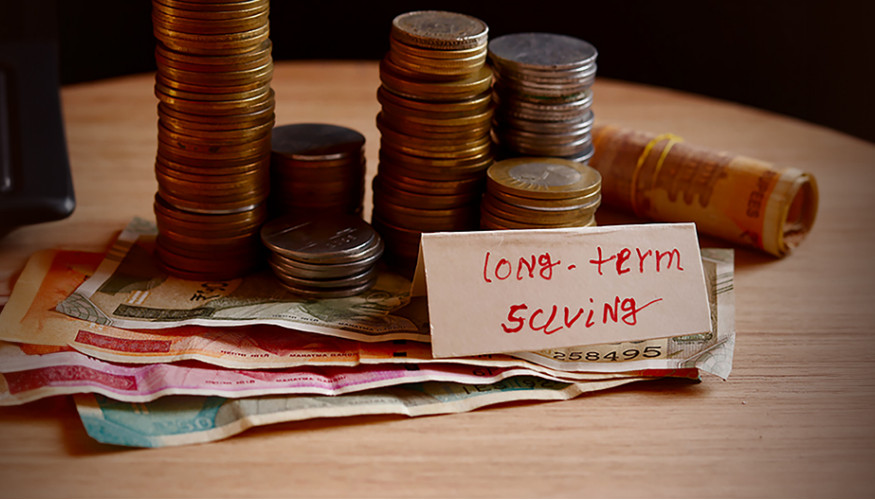
Inflation doesn’t usually arrive with a loud warning. It creeps into daily life through higher grocery bills, rising rent, and increased utility costs. While these changes are easy to notice, the more dangerous effect often goes unseen: the slow erosion of savings. Understanding the inflation impact on everyday savings is essential for anyone serious about long-term personal finance. As prices rise, money sitting idle loses purchasing power, forcing people to rethink their savings strategies in subtle but important ways.
What Inflation Really Means for Your Money
Inflation is the gradual increase in prices over time. When inflation rises faster than income or savings growth, money buys less than it did before.
According to the U.S. Bureau of Labor Statistics, even modest inflation compounds significantly over time. A 3% inflation rate can cut purchasing power nearly in half over 25 years.
This means that money stored in low-interest accounts effectively shrinks in value. While the account balance may stay the same, what that balance can buy steadily declines.
This hidden effect is why inflation is often described as a “silent tax” on savers.
Why Traditional Savings Accounts Struggle Against Inflation
Many people rely on standard savings accounts for security. While these accounts feel safe, they often fail to keep up with inflation.
According to data tracked by FDIC, average savings account yields have historically lagged behind inflation for long periods.
For example, if inflation is running at 4% and a savings account pays 1%, the real return is negative. Over time, this gap quietly erodes purchasing power.
This reality forces savers to rethink how much cash to hold and where to store it as part of smarter savings strategies.
The Inflation Impact on Emergency Funds
Emergency funds are a cornerstone of responsible personal finance. However, inflation complicates how these funds are managed.
Financial experts from the Consumer Financial Protection Bureau recommend holding three to six months of expenses in liquid savings.
But inflation increases the size of that target. Rising costs mean emergency funds must grow just to maintain the same level of protection.
Many households now split emergency funds between high-yield savings accounts and short-term cash alternatives to preserve value while maintaining access.
How Inflation Changes Daily Saving Habits
Inflation doesn’t only affect long-term plans. It changes everyday behavior.
According to Bankrate, households tend to save less during high-inflation periods as necessities consume larger portions of income.
This forces difficult trade-offs. People may reduce contributions to savings goals or delay long-term plans to cover short-term expenses.
Understanding these behavioral shifts helps explain why maintaining consistent saving habits becomes more challenging during inflationary periods.
Rising Interest Rates: Help or Hindrance for Savers?
Central banks often raise interest rates to fight inflation. This has mixed effects on savings.
On one hand, higher rates improve yields on savings accounts, CDs, and money market funds. According to NerdWallet, high-yield savings accounts tend to respond faster to rate hikes.
On the other hand, higher rates increase borrowing costs, which can limit the ability to save.
The key is balance. Savers benefit when rates rise, but only if their money is positioned to capture those gains.
Why Cash Hoarding Can Backfire
During uncertain times, people often feel safer holding cash. While liquidity is important, excessive cash can be costly.
According to Investopedia, holding too much cash during inflation guarantees a loss of purchasing power.
Smart savers distinguish between short-term cash needs and long-term capital.
Effective savings strategies involve holding enough cash for flexibility while deploying excess funds into inflation-resistant options.
Inflation and Long-Term Savings Goals
Inflation quietly reshapes long-term goals such as retirement, education, and major purchases.
Retirement projections that ignore inflation risk underestimating future expenses. According to Fidelity, inflation can double retirement costs over a typical retirement span.
Similarly, college savings plans must account for education inflation, which often exceeds general inflation.
Revisiting assumptions regularly is essential for realistic personal finance planning.
Comparing Low-Risk Savings Options in an Inflationary Environment
Savers often look for low-risk options that offer better inflation protection.
High-yield savings accounts, money market funds, and short-term Treasury securities are commonly compared. According to TreasuryDirect, Treasury Inflation-Protected Securities (TIPS) adjust with inflation.
Each option involves trade-offs between liquidity, yield, and complexity.
Understanding these differences helps savers choose tools aligned with their risk tolerance.
The Role of Investing in Protecting Savings
While savings protect liquidity, investing helps preserve and grow purchasing power.
According to Morningstar, diversified investment portfolios historically outperform inflation over long periods.
This doesn’t mean taking excessive risk. Balanced portfolios combining stocks, bonds, and real assets often provide inflation resilience.
For deeper guidance on balancing saving and investing, explore this resource on personal finance fundamentals.
How Inflation Impacts Fixed-Income Savers
People living on fixed incomes feel inflation acutely. Rising prices reduce purchasing power without increasing income.
According to Social Security Administration, cost-of-living adjustments often lag actual expenses.
This gap forces retirees and fixed-income households to draw down savings faster.
Inflation-aware planning becomes critical for long-term stability.
Behavioral Mistakes Inflation Encourages
Inflation can push people toward poor financial decisions.
Common mistakes include panic spending, abandoning savings entirely, or chasing high-risk investments. Research highlighted by American Psychological Association shows financial stress increases impulsive behavior.
Awareness helps prevent emotional decisions that undermine long-term goals.
Calm, informed decision-making remains one of the most effective defenses.
Adjusting Savings Strategies Without Overreacting
The goal is adaptation, not panic.
Experts from CNBC Personal Finance recommend gradual adjustments rather than drastic shifts.
Increasing contributions, reallocating assets, and monitoring interest rates are practical steps.
For actionable guidance, see this overview of modern savings strategies.
Comparing Inflation-Aware vs Inflation-Blind Saving
Inflation-blind saving focuses only on account balances. Inflation-aware saving focuses on purchasing power.
The difference becomes dramatic over time. Savers who ignore inflation often fall short of goals despite consistent saving.
Those who plan with inflation in mind maintain financial stability.
Perspective makes the difference.
Conclusion: Protecting Savings in a Quietly Rising Cost World
The inflation impact on savings is subtle but powerful. Left unaddressed, inflation quietly erodes purchasing power and undermines financial security.
By adopting smarter savings strategies, staying informed, and integrating inflation into personal finance decisions, individuals can protect their money’s real value. Inflation may be unavoidable, but its damage doesn’t have to be.